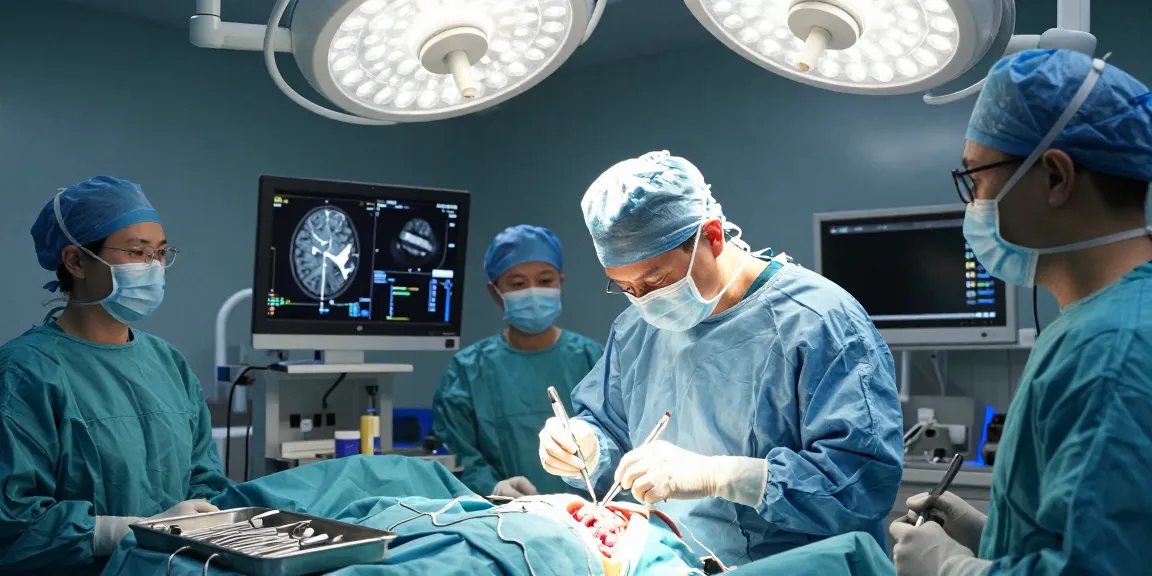
Understanding Beyin Ameliyatı: Types and Techniques
Beyin ameliyatı, the Turkish term for brain surgery, encompasses a variety of surgical procedures aimed at addressing critical neurological issues. As advancements in medical technology continue to evolve, the techniques and approaches utilized in beyin ameliyatı have become more refined and effective. In 2026, the integration of precision medicine and enhanced imaging modalities plays a significant role in optimizing surgical outcomes.
When exploring options, Beyin ameliyatı provides comprehensive insights into the procedures, risks, and recovery processes associated with various brain surgeries. This article aims to elucidate the common types of brain surgeries, their techniques, and what patients should know before undergoing such a crucial medical intervention.
What is Beyin Ameliyatı?
Beyin ameliyatı refers to any surgical procedure performed on the brain. It can be necessary for a multitude of reasons, including but not limited to the removal of tumors, treatment of traumatic brain injuries, or correction of vascular malformations such as aneurysms. Neurosurgeons, specialized medical professionals, undertake these complex procedures using advanced technologies and methods to ensure the best possible outcomes.
Common Types of Brain Surgery
- Brain Tumor Surgery: This involves the surgical removal of brain tumors, which can be malignant or benign. Techniques vary based on the tumor's size, type, and location.
- Endoscopic Surgery: Often referred to as minimally invasive surgery, this method utilizes small incisions made with specialized instruments to remove tumors or correct other issues without the need for large openings in the skull.
- Aneurysm Surgery: This is performed to repair bulging blood vessels in the brain. It can be done either through open surgery or endovascular techniques.
Advanced Surgical Techniques in 2026
As of 2026, several advanced surgical techniques are shaping the future of beyin ameliyatı. One prominent example is the use of intraoperative imaging, which allows surgeons to visualize the brain in real-time during the procedure. This enhances the precision of tumor resections and minimizes damage to surrounding healthy brain tissue.
Additionally, techniques such as awake craniotomy are becoming more common. This procedure allows certain patients to remain awake and responsive during surgery, enabling the surgical team to monitor critical brain functions and adjust approaches as necessary.
Preparing for Beyin Ameliyatı: Essential Steps
Pre-Surgery Assessments
Before any surgical procedure, thorough pre-surgery assessments are crucial. This generally includes imaging studies like MRI or CT scans to visualize the brain's anatomy and pinpoint the issue at hand. Blood tests and consultations with various specialists may also be necessary to evaluate the patient’s overall health and readiness for surgery.
Choosing the Right Neurosurgeon
Selecting a skilled neurosurgeon is paramount for the success of beyin ameliyatı. Patients should consider a surgeon's experience, past patient outcomes, and the technologies available at the medical facility. Personal recommendations and reviews can also guide this critical decision-making process.
Managing Patient Expectations
Setting realistic expectations is essential for patients undergoing brain surgery. Understanding the potential risks, recovery timelines, and possible outcomes helps prepare them mentally and emotionally, leading to better overall satisfaction with the surgical process.
Risks and Considerations in Beyin Ameliyatı
Common Risks Associated with Brain Surgery
Like all surgical procedures, beyin ameliyatı carries inherent risks. These can include infection, bleeding, and complications related to anesthesia. Additionally, patients may experience neurological deficits such as speech or motor function impairment, particularly if the surgery involves sensitive areas of the brain.
Complications and Recovery Challenges
Complications can arise during or after the surgery, necessitating close monitoring and possibly additional interventions. These challenges can vary widely based on the specific type of surgery performed and the overall health of the patient. Rehabilitation services, including physical therapy and speech therapy, are often recommended to aid recovery.
Long-term Considerations Post-Surgery
Post-surgery, patients may undergo a prolonged recovery period, which can range from weeks to months depending on the type of beyin ameliyatı. Regular follow-up appointments are vital for tracking any long-term effects and ensuring that recovery is progressing as expected.
The Recovery Process After Beyin Ameliyatı
Understanding Recovery Timelines
The recovery process is often gradual and varies significantly among individuals. Some patients may return to their normal activities within weeks, while others, particularly those who underwent more complex surgeries, may require several months before resuming full functionality.
Rehabilitation and Support Services
Depending on the nature of the surgery, a comprehensive rehabilitation plan may be necessary. This often includes physical, occupational, and speech therapy tailored to the patient's specific needs, enabling them to regain lost skills and improve their quality of life.
Monitoring Symptoms and Follow-ups
After surgery, patients should be vigilant in monitoring for any unusual symptoms such as severe headaches, seizures, or changes in cognitive function. Prompt reporting of these issues to healthcare providers is crucial for addressing potential complications early.
Cost and Insurance Coverage for Beyin Ameliyatı
Factors Affecting Surgery Costs
The cost of beyin ameliyatı can vary widely based on several factors, including the complexity of the procedure, the healthcare facility, and the region. Patients should inquire about all expenses involved, including pre-surgery consultations, the surgery itself, and post-operative care.
Insurance Policies and Coverage Insights
Insurance coverage for brain surgeries can differ greatly, often depending on the patient's specific health plan. Many insurance policies will cover necessary surgeries but may require pre-approval or referrals from primary care physicians. Understanding the terms of coverage is essential for financial planning.
Financial Planning for Patients
Patients should develop a comprehensive financial plan to cover potential out-of-pocket costs associated with beyin ameliyatı. This includes discussing options with their healthcare providers and insurance representatives to avoid unexpected expenses.
Frequently Asked Questions About Beyin Ameliyatı
What are the signs that suggest I need a Beyin Ameliyatı?
Common indicators that may necessitate brain surgery include persistent headaches, severe dizziness, unexplained seizures, changes in vision, or sudden cognitive changes. Consulting a healthcare professional for an evaluation is crucial if any of these symptoms are present.
How long does recovery take after Beyin Ameliyatı?
Recovery time following brain surgery can greatly vary based on the specific type of procedure and the individual patient's health. While some may start to feel better within weeks, others might take months to fully recover and regain their previous functional abilities.
What advancements are being made in Beyin Ameliyatı techniques?
Continued advancements in imaging technologies, robotic assistance, and minimally invasive techniques are significantly improving outcomes in brain surgeries. These innovations allow for more precise, less traumatic procedures with shorter recovery times.
Are there any alternative treatments to Beyin Ameliyatı?
Depending on the condition, alternative treatments such as radiation therapy or medication might be options. However, the suitability of these treatments will depend on individual circumstances and should be discussed with a medical professional.
What should I ask my neurosurgeon before the surgery?
Patients should prepare a list of questions for their neurosurgeon to cover topics such as the specific procedure being performed, potential risks, recovery expectations, and any available alternatives. For more information, Beyin ameliyatı offers valuable insights. Knowledge is key to feeling comfortable and confident leading up to surgery.