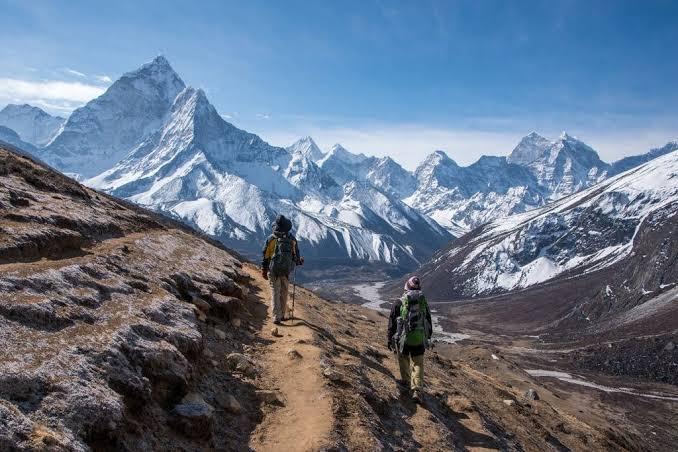
Planning a trek involves much more than choosing a destination. You need to compare routes, understand the best seasons, estimate your budget, prepare a packing list, monitor weather conditions, and build an itinerary that matches your fitness level and available time.
Doing all this manually can take hours of research across multiple websites and forums.
Artificial intelligence (AI) is making this process much easier. Modern AI tools can quickly organize information, answer questions, create customized trekking plans, and help you make informed decisions before your adventure begins.
Instead of replacing your own judgment, AI works as a planning assistant that saves time and helps you prepare more effectively.
Whether you are a first-time trekker or an experienced hiker, AI can recommend suitable routes, suggest gear based on the season, estimate daily walking times, and even help you train before your journey.
However, AI should complement reliable local advice rather than replace it, especially when trekking in remote mountain regions.
This guide covers practical ways to use AI for planning your next trek while understanding where human expertise remains essential.
1. Find the Right Trek for Your Experience Level
One of the biggest challenges for new trekkers is choosing the right destination. With hundreds of trekking routes available worldwide, selecting one that matches your abilities can be overwhelming.
AI can narrow down your options by considering factors such as your previous experience, available vacation days, budget, preferred scenery, maximum comfortable altitude, and desired difficulty.
Instead of spending hours comparing routes, you can ask questions like "Recommend a 7-day moderate trek with mountain views" or "Suggest beginner-friendly Himalayan treks."
AI can quickly generate options along with key information such as duration, difficulty, and seasonal suitability. For a quieter alternative to the crowded classics, AI might point you toward the Manaslu Circuit Trek, which offers dramatic mountain scenery and a more remote experience while still being achievable for moderately experienced trekkers.
Always verify permits, trail conditions, and logistics using official sources or experienced trekking operators before making a final decision.
2. Build a Personalized Trekking Itinerary
Every trekker travels differently. Some prefer relaxed schedules with extra acclimatization days, while others have limited time and want an efficient itinerary.
AI can help create customized day-by-day plans based on your goals, such as a 10-day itinerary with rest days, sightseeing suggestions, estimated walking hours, and overnight stay recommendations.
Unlike generic online itineraries, AI can adjust recommendations according to your travel preferences. It can also help estimate transportation times and recommend buffer days for weather delays.
AI-generated itineraries should always be compared with local trekking advice, especially for routes where conditions change frequently.
3. Create a Smarter Packing List
Packing is often one of the most stressful parts of trek preparation.
AI can generate customized packing lists based on trek duration, season, expected temperatures, elevation, and accommodation type.
Instead of downloading generic checklists, you receive recommendations tailored to your trip, such as appropriate clothing layers, footwear, rain protection, sleeping gear, electronics, and first aid supplies.
You can even ask AI to identify unnecessary items that add weight to your backpack, reducing the chance of forgetting gear while avoiding equipment you don't need.
4. Estimate Your Trekking Budget
Budget planning often involves researching accommodation costs, transportation, permits, meals, equipment, and personal expenses.
AI can simplify this by creating detailed cost estimates when you ask questions like "Estimate the budget for a 12-day trek" or "How much cash should I carry?"
AI can organize expenses into categories and suggest ways to reduce costs without affecting safety, such as renting equipment or traveling during less crowded seasons.
While prices change over time, AI provides a useful starting point for financial planning.
5. Understand Weather and Seasonal Conditions
Weather plays a major role in every trekking adventure.
AI can explain seasonal weather patterns, temperature ranges, rainfall expectations, snow conditions, and clothing recommendations.
Rather than simply listing temperatures, AI can describe which months offer the clearest mountain views, when trails become muddy, and how snowfall affects higher elevations.
Always check the latest mountain weather forecasts before departure, since conditions can change rapidly.
6. Prepare Physically with an AI-Assisted Training Plan
Trekking is much more enjoyable when your body is prepared for long days of walking. AI can help you build a training plan based on your fitness level, available time, and trekking goals.
You can ask AI for a workout schedule that includes cardio, strength training, flexibility work, and stair climbing or hill walking, along with recovery days to prevent overtraining.
If you only have a few weeks before your trip, AI can suggest realistic routines that gradually increase your fitness without pushing you too hard.
Consistency matters more than intensity. Even a simple routine followed regularly can make your trek much more comfortable.
7. Learn About Local Culture and Trekking Etiquette
A successful trek is about more than reaching your destination. Understanding local culture makes your experience more meaningful and helps you travel respectfully.
AI can explain local customs, appropriate greetings, monastery etiquette, dining practices, responsible photography, and basic local phrases, helping you interact confidently with local communities.
AI can also explain responsible trekking practices, including staying on marked trails, respecting wildlife, minimizing waste, and supporting local businesses — small actions that contribute to sustainable tourism.
8. Use AI to Organize Important Travel Information
Planning a trek often involves managing multiple documents and reservations. AI can help organize everything in one place, making it easier to prepare before departure.
You can use AI to create checklists for passport validity, travel insurance, trekking permits, flight confirmations, hotel reservations, emergency contacts, and equipment rentals.
AI can also help build a pre-departure timeline so you know when to book flights, arrange permits, purchase gear, and begin training, reducing last-minute stress.
9. Know the Limitations of AI
While AI is a powerful planning tool, it is not a substitute for local knowledge or real-time information.
Mountain conditions can change quickly due to weather, landslides, road closures, or government regulations. AI may not always have the latest updates.
Before your trek, always verify important information such as permit requirements, trail conditions, weather forecasts, transportation schedules, accommodation availability, and safety advisories.
If you are trekking in remote mountain regions, experienced local guides and trekking companies remain valuable sources of up-to-date information.
Combining AI with expert local advice gives you the best possible preparation. Think of AI as your planning assistant rather than your final decision-maker.
Practical Tips for Using AI Effectively
AI works best when you ask clear and detailed questions. The more information you provide, the more useful the answers become.
Be specific about your destination, travel dates, fitness level, and trip duration, and ask follow-up questions to refine your itinerary, packing list, or budget.
Compare multiple suggestions, verify important details like permits and weather through reliable sources, and use AI alongside official resources such as tourism websites and experienced operators.
Save your AI conversations so your planning notes are easy to review, and review recommendations critically, adapting suggestions to your own circumstances.
Conclusion
Artificial intelligence has become a valuable tool for modern travelers, making trek planning faster, more organized, and easier to personalize.
From choosing the right destination and building a day-by-day itinerary to creating packing lists, estimating budgets, and preparing fitness plans, AI can simplify many of the tasks that once required hours of research.
However, successful trekking still depends on careful planning and informed decision-making. AI should support your preparation, not replace reliable local expertise or current information.
Weather conditions, trail updates, permit requirements, and safety advisories should always be verified before your trip.
When used wisely, AI allows you to spend less time searching for information and more time getting excited about your adventure. It helps you stay organized, anticipate potential challenges, and prepare with greater confidence.
Whether you are planning your first hiking trip or your next mountain expedition, combining AI with practical research and expert guidance will help you start your journey well prepared.
A little planning today can lead to a safer, smoother, and far more enjoyable trekking experience