

Understanding the Importance of Password Protection in 상봉동 한국관
In today’s rapidly evolving digital landscape, the integrity of online access has never been more crucial. Password protection serves as a fundamental layer of defense in safeguarding sensitive information, particularly in urban settings such as 상봉동 한국관. As digital interactions become increasingly prevalent, understanding the significance of strong password practices can mitigate risks and enhance user trust. When exploring options, 상봉동 한국관 provides comprehensive insights into password management best practices that contribute not only to security but also to a seamless user experience.
Why Password Security Matters
Password security is essential for multiple reasons. First and foremost, it protects personal data from unauthorized access. With cybercrime on the rise, particularly in metropolitan areas, the risk of data breaches has escalated, affecting individuals and businesses alike. A single compromised password can lead to identity theft, financial loss, and a breach of privacy. By employing robust password practices, users can create a barrier against malicious attacks.
Common Security Threats in Urban Areas
Urban settings, such as 상봉동, are often hotbeds for cyber threats due to their dense population and high rates of digital engagement. Common threats include phishing attacks, where users are tricked into providing passwords through deceptive emails, and brute force attacks, where hackers use automated tools to guess passwords. Additionally, unsecured Wi-Fi networks can provide easy access points for cybercriminals to intercept data. Understanding these threats is critical for leveraging effective password protection strategies.
How Passwords Enhance User Experience
While the primary function of passwords is security, they also play an essential role in enhancing user experience. An effective password scheme bolsters user confidence, making individuals more likely to engage with services trusting that their data is secure. Moreover, a streamlined authentication process can facilitate quicker access to accounts, improving overall satisfaction. This balance between security and user experience is key for platforms like 상봉동 한국관.
Best Practices for Creating Effective Passwords
Characteristics of Strong Passwords
Creating a strong password is the first line of defense against cyber threats. Effective passwords typically have the following characteristics:
- At least 12 characters long
- A mix of uppercase and lowercase letters
- Inclusion of numbers and special symbols
- Avoidance of easily guessable information, such as birthdays or common words
Using these attributes, users can create passwords that are much harder for attackers to crack.
Common Mistakes to Avoid
Despite knowing how to create strong passwords, many users fall prey to common pitfalls. These include:
- Using the same password across multiple platforms
- Choosing simple passwords that are easy for others to guess
- Neglecting to update passwords regularly
By avoiding these mistakes, users can significantly enhance their security posture.
Tools for Password Management and Security
Given the complexity of managing multiple passwords, using a password manager can be invaluable. These tools securely store and encrypt passwords, generating strong passwords on demand. Additionally, two-factor authentication (2FA) can add an extra layer of security by requiring a second verification step before access is granted. Implementing these tools in conjunction with strong password practices can greatly improve an individual or organization’s overall security framework.
Implementing Password Protection in 상봉동 한국관
Steps for Secure User Authentication
Establishing secure user authentication involves several critical steps. Firstly, systems must enforce strong password requirements during account setup and login. Additionally, implementing two-factor authentication (2FA) can significantly decrease the likelihood of account breaches. Regularly updating security protocols according to current best practices is also essential to safeguard user data.
Integrating Technology with User Needs
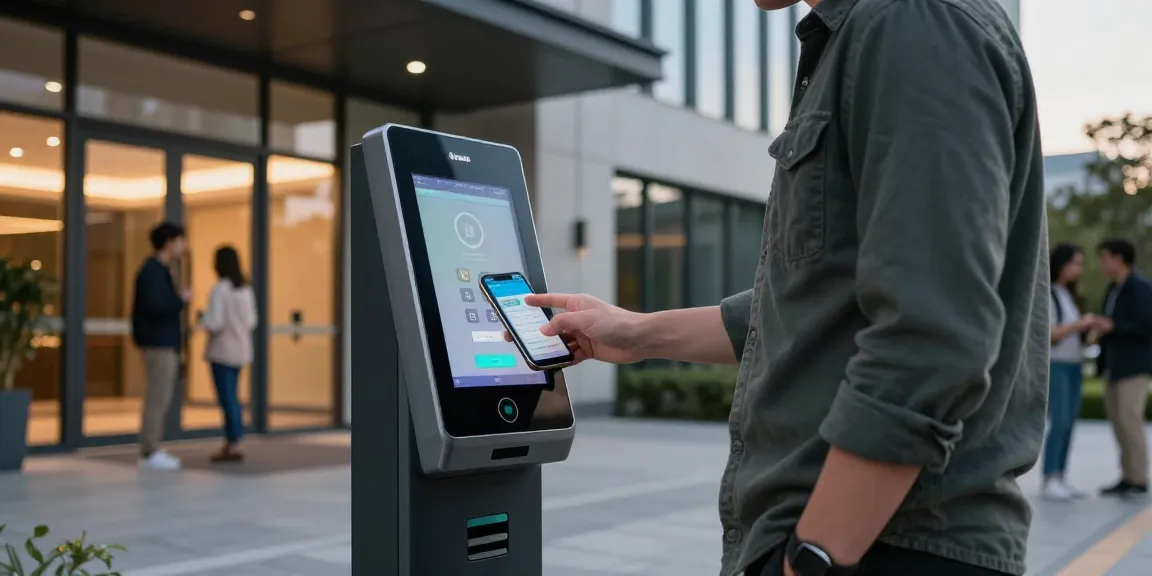
As user expectations evolve, integrating technology that meets security and usability needs is imperative. For example, biometric authentication methods, such as fingerprint or facial recognition, offer a seamless user experience while enhancing security measures. It’s crucial that platforms like 상봉동 한국관 remain abreast of technological advancements to effectively protect user data.
Real-World Examples of Successful Implementations
Several companies have successfully implemented robust password protection strategies. For instance, financial institutions often utilize multi-layered authentication processes that incorporate both passwords and biometric verification. Such measures not only protect sensitive financial data but also build substantial trust among customers, showcasing the importance of strong password practices.
Future Trends in Password Security for 2026 and Beyond
Emerging Technologies in Security Examinations
The future of password security is poised to include innovations such as artificial intelligence and machine learning. These technologies can analyze user behavior to detect anomalies and potential threats in real-time, automatically flagging suspicious activities. As these technologies evolve, they will become integral to enhancing password protection measures.
User Education and Awareness Initiatives
As cyber threats continue to grow, educating users about password security will be paramount. Initiatives aimed at raising awareness about the importance of secure passwords and how to create them can mitigate risks significantly. Workshops, online resources, and community outreach can play vital roles in empowering users with the knowledge they need to protect themselves.
Predictions for Security Innovations in Urban Settings
With the relentless pace of technological advancement, we can expect significant innovations in security measures by 2026. Developments like passwordless authentication, employing cryptographic techniques, are expected to become mainstream. These methods will simplify user access while maintaining high security levels, reflecting a progressive shift away from traditional password reliance.
Frequently Asked Questions About Password Protection
How often should I change my password?
It is advisable to change passwords every three to six months. Regular updates help mitigate the risks associated with potential breaches.
What makes a password weak?
A weak password is typically short, simple, or based on easily accessible information about the user. Such passwords are vulnerable to brute force attacks.
Can two-factor authentication replace passwords?
No, while two-factor authentication enhances security, it is not a replacement for passwords. Instead, it functions as an additional layer of protection.
What are the risks of password sharing?
Password sharing increases the likelihood of unauthorized access and is often against the terms of service of many platforms, leading to potential penalties or loss of access.
How to recover a forgotten password securely?
Most platforms offer secure recovery options through email or SMS verification. It’s important to update recovery options regularly to ensure their effectiveness.