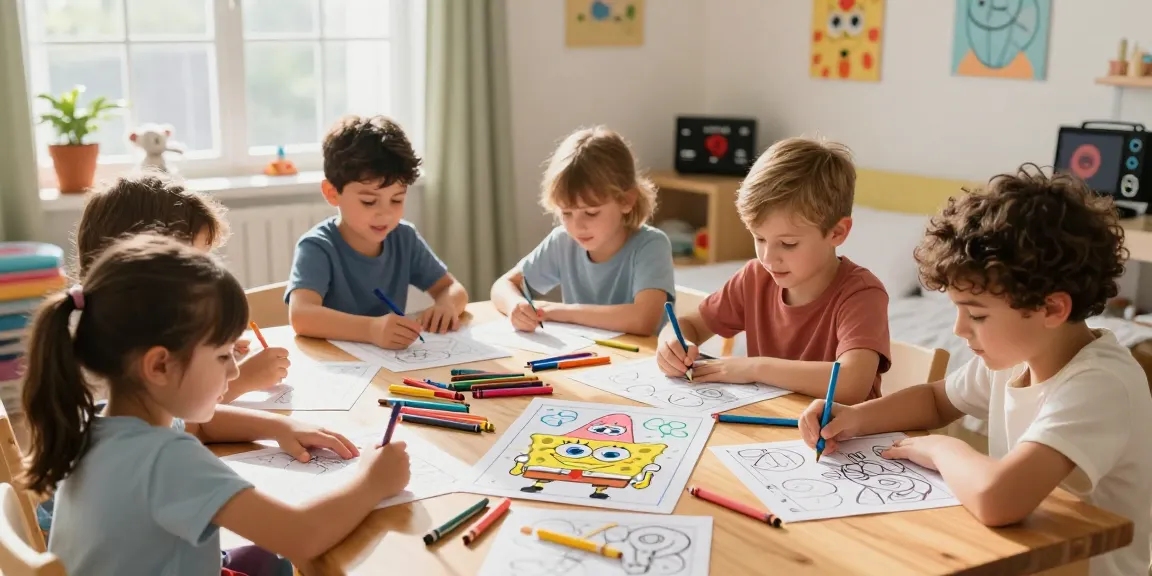
Understanding Patrick Star: An Iconic Character for Kids
Patrick Star, the lovable pink starfish from the iconic show SpongeBob SquarePants, is not just a character but a phenomenon that resonates with children across generations. With his silly antics, innocent demeanor, and unwavering friendship with SpongeBob, Patrick captivates young audiences and encourages them to explore their imaginations. His relatable personality makes him a great subject for educational activities, particularly coloring, which serves as a medium for children to express their creativity and learn various skills. Through engaging with Kids Learn, parents can provide children with the tools to enjoy and benefit from coloring.
1. Who is Patrick Star?
Patrick Star is a fictional character from the animated television series SpongeBob SquarePants. He is depicted as a big, pink, and somewhat dim-witted starfish who lives under a rock in the underwater city of Bikini Bottom. Patrick is known for his childlike innocence, playful spirit, and love for food, particularly ice cream. Despite his lack of intelligence, Patrick's kindness and loyalty to his best friend, SpongeBob, make him an endearing character to children. Together, they embark on adventures that emphasize friendship, fun, and the joy of being a kid.
2. The Appeal of Patrick Star in Children's Media
The appeal of Patrick Star in children's media can be attributed to several factors. His simplistic design makes him easy for children to recognize and relate to, while his goofy personality provides humor that resonates with young audiences. Patrick's interactions with other characters, including the diligent SpongeBob and the cantankerous Squidward, highlight different facets of friendship and community. His ability to be carefree and spontaneous encourages children to embrace their creativity, ultimately making him a beloved character in children's entertainment.
3. Contributions to Childhood Development
Patrick Star contributes to childhood development in various ways. Children can learn valuable lessons about friendship, empathy, and the importance of being true to oneself through Patrick's experiences. His character allows parents and educators to discuss feelings and social interactions, providing context for children to understand their emotions better. Moreover, Patrick's humorous traits serve as a reminder that it's okay to be silly and have fun, thereby fostering a healthy balance between learning and play.
Benefits of Coloring for Kids
Coloring is more than just a fun activity; it plays a significant role in a child's development. Engaging in coloring can enhance various skills necessary for growth. As children color, they not only unleash their creativity but also develop their fine motor skills, emotional expression, and cognitive abilities.
1. Enhancing Fine Motor Skills
Coloring requires children to use their hands and fingers in a way that improves their dexterity and fine motor skills. As kids maneuver crayons, markers, or colored pencils, they build hand strength and coordination, which are essential for tasks such as writing and typing later in life. The simple action of staying within the lines helps improve their control and precision, laying a foundation for more complex activities.
2. Fostering Creativity and Imagination
Through coloring, children are given a blank canvas where they can express themselves freely. This activity fosters creativity and imagination, allowing kids to bring their unique visions to life. They explore color combinations, create imaginative scenes, and even personalize characters like Patrick Star, making it an enriching experience that transcends mere coloring.
3. Encouraging Emotional Expression
Coloring can also serve as an emotional outlet. Children often associate colors with feelings, and the act of coloring can help them express emotions that they might not yet have the words for. Whether it's the bright hues of joy or the darker shades of sadness, coloring provides a safe space for emotional exploration and self-discovery.
Integrating Learning with Patrick Star Coloring Pages
Patrick Star coloring pages are a fun and educational tool that can seamlessly integrate learning into creative play. By using characters that children already love, parents and educators can create an engaging atmosphere that promotes learning through artistic expression.
1. How Colors Influence Learning
Colors play a vital role in learning, impacting mood, attention, and even memory retention. For instance, bright colors can stimulate excitement and energy, while softer colors promote calmness and focus. By allowing children to choose colors for their Patrick Star pages, they learn about color theory and its associative meanings while enjoying the process. This engagement enhances their cognitive skills, making the learning experience both enjoyable and effective.
2. Themes in Coloring Pages and Educational Value
Themes present in Patrick Star coloring pages—such as friendship, adventure, and teamwork—carry educational value. Each page can be used as a springboard for discussing related topics, allowing parents to engage in meaningful conversations with their children. For example, a coloring page of Patrick and SpongeBob catching jellyfish can lead to discussions about the importance of cooperation and friendship.
3. Making Connections with Other Characters
Coloring pages featuring Patrick Star alongside his friends further enrich the educational experience. Kids can learn about character traits, relationships, and even moral lessons by coloring scenes that involve multiple characters from the series. This interaction promotes social skills and helps children understand dynamics within friendships, both in the cartoon world and in their lives.
Tips for Parents: Maximizing the Coloring Experience
To ensure that the coloring experience is fun and beneficial for children, parents can adopt various strategies that enhance engagement and learning. Here are some effective tips for maximizing the coloring experience with Patrick Star and his friends.
1. Selecting the Best Coloring Tools
Choosing the right coloring tools is crucial for an optimal coloring experience. Parents should provide a variety of coloring materials—such as crayons, colored pencils, and markers—so children can explore different mediums. Each tool offers a unique effect and helps children experiment with their artistic styles. Additionally, non-toxic and washable materials can contribute to a safe and mess-free environment.
2. Creating a Colorful Learning Space
Designating a specific area for coloring can help children focus and enjoy the process. A colorful, inviting space filled with natural light, comfortable seating, and organized supplies can enhance their creativity. Parents might also consider displaying finished coloring pages as part of home decor, giving children a sense of pride in their work and encouraging them to create more.
3. Engaging in Coloring Activities Together
Coloring as a family activity can strengthen bonds and create cherished memories. Parents can join their children in coloring Patrick Star pages, fostering conversations about colors, stories, and emotions. This collaborative effort not only makes the experience fun but also provides an opportunity for parents to teach valuable lessons and discuss important values while enjoying quality time together.
Future Trends in Kids' Learning through Coloring
As technology continues to evolve, so do the methods of learning and engaging with creative activities like coloring. The future of kids' learning through coloring will likely be marked by innovative ideas that enhance educational experiences.
1. Digital Coloring Platforms and Interactive Learning
Digital platforms for coloring are gaining popularity, allowing kids to engage with interactive content on tablets and computers. These platforms often include features that provide instant feedback, making learning more dynamic. Interactive coloring can introduce elements like animation and storytelling, adding layers of engagement that traditional coloring cannot offer. This evolution presents an exciting opportunity for merging art with educational content, making learning more appealing to tech-savvy children.
2. Sustainability in Educational Materials
As awareness about environmental issues rises, more educational materials are expected to prioritize sustainability. Eco-friendly coloring supplies, such as biodegradable crayons or recycled paper, will likely gain traction. By promoting sustainability through coloring, children can learn the importance of caring for the environment while developing their artistic skills.
3. Predictions for 2026 and Beyond
In the coming years, the integration of augmented reality (AR) in coloring experiences could revolutionize how children engage with their artistic endeavors. Imagine coloring a page of Patrick Star and watching him come to life through AR, creating an interactive and immersive experience. This future trend would combine digital learning with creativity, making coloring not just an artistic outlet but also a gateway to a comprehensive learning environment.
What are the benefits of coloring for children's development?
Coloring provides numerous benefits for children's development, including enhancing fine motor skills, fostering creativity, and encouraging emotional expression. Engaging with colors and designs allows children to practice coordination and dexterity while exploring their imaginations.
How can parents encourage artistic expression in their kids?
Parents can encourage artistic expression in their children by providing a variety of coloring materials, creating a dedicated art space, and participating in coloring activities together. Offering positive reinforcement and displaying their artwork also helps boost their confidence and creativity.
What resources are available for printable coloring pages?
There are many resources available for printable coloring pages, including websites like Picoloring, which offers a range of options featuring popular characters like Patrick Star. Parents can easily download and print themes that resonate with their children's interests.
How does coloring aid in emotional development?
Coloring aids in emotional development by allowing children to express their feelings and thoughts through color choices and design. This creative outlet can help them process emotions and learn to communicate what they feel, supporting overall emotional intelligence.
What are the best practices for selecting coloring materials?
The best practices for selecting coloring materials include choosing high-quality, non-toxic supplies, offering a variety of mediums, and ensuring that materials are appropriate for the child's age and skill level. Providing an organized space for these materials can also enhance the overall coloring experience.